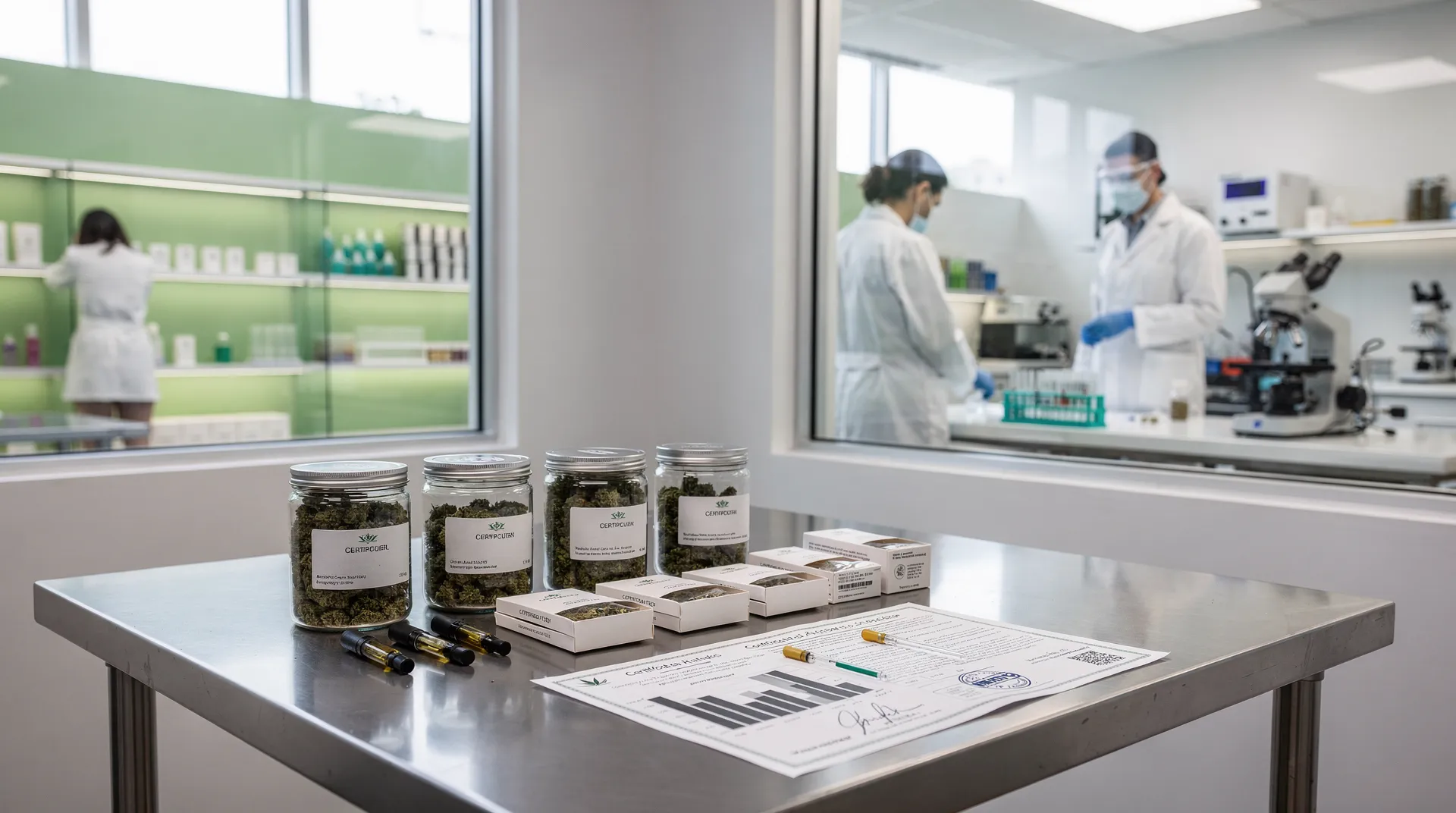
NJ dispensary lab testing is the backbone of cannabis product safety New Jersey consumers depend on, built around Cannabis Regulatory Commission standards for quality. Licensed facilities like A-Z Supply in Bloomfield apply these Bloomfield NJ dispensary safety standards, providing lab-tested cannabis with clear labeling. The state requires compliance with interim testing protocols based on Maryland Technical Authority guidelines, guaranteeing consumers receive verified, contaminant-free products.
Key Takeaways
New Jersey dispensaries follow Cannabis Regulatory Commission testing standards for product safety and quality.
Licensed laboratories test for potency, pesticides, heavy metals, mold, and bacteria before products reach shelves.
The NJ-CRC reinstated interim testing standards based on Maryland Technical Authority guidelines, Revision 3.0.
A Certificate of Analysis documents potency and contaminant results, available for every tested item on dispensary shelves.
How Are Cannabis Products Tested in New Jersey?
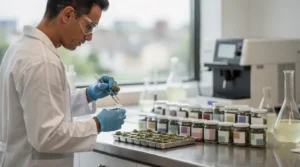
New Jersey mandates comprehensive laboratory testing for all legal cannabis products sold in licensed dispensaries. Licensed laboratories must test for potency and screen for harmful substances like pesticides, heavy metals, mold, and bacteria. Skipping these protocols means consumers risk exposure to contaminants that state regulators specifically designed the testing framework to catch.
The New Jersey Cannabis Regulatory Commission (NJ-CRC) oversees this testing program. As of early 2025, the NJ-CRC returned to interim testing standards following the Maryland Technical Authority for Cannabis Testing, Revision 3.0, dated December 15, 2020. This move came after the Commission rescinded newer guidance approved on February 18, 2025. The return to established Maryland protocols provides laboratories and dispensaries with a consistent, well-documented framework while the state refines its long-term approach.
Testing serves three core functions under New Jersey law:
Potency verification confirms THC and CBD levels so labels reflect what the product actually contains
Contaminant screening detects pesticides, heavy metals, mold, and microbial bacteria before products reach shelves
Labeling compliance ensures every package meets state health and safety disclosure requirements
What Does a New Jersey Cannabis Lab Test For?
Licensed laboratories analyze cannabis for potency and a panel of harmful substances. The potency analysis measures cannabinoid concentrations, giving consumers accurate data on THC and CBD content. The safety panel checks for pesticide residues, heavy metals like lead and mercury, and microbial contaminants including mold and bacteria. Any batch failing these tests cannot legally enter the New Jersey market.
Why Did New Jersey Return to Maryland Testing Standards?
The NJ-CRC rescinded its February 2025 testing guidance and reinstated interim standards based on the Maryland Technical Authority for Cannabis Testing, Revision 3.0. This decision maintains regulatory continuity while the Commission evaluates updated protocols. For consumers, the Maryland-based standards represent a proven testing model that prioritizes public health. A-Z Supply’s approach to product quality standards aligns with these rigorous state requirements, ensuring every item on its shelves passes the mandated battery of tests before sale.
What Does the NJ-CRC Require for Safety Compliance?
The New Jersey Cannabis Regulatory Commission mandates strict lab testing for all legal cannabis sold in the state. Every product must pass screening for potency, contaminants, and labeling accuracy before reaching dispensary shelves. Without this compliance framework, consumers face real risks from mold, pesticides, and mislabeled potency levels.
The NJ-CRC released updated cannabis lab testing guidance during its February 18, 2025 public meeting. This guidance, which was previously introduced to address contamination concerns, was later rescinded in favor of returning to interim Maryland standards. The measures respond directly to mounting concerns about contamination, including mold, pesticides, heavy metals, and the reliability of potency claims.
Contaminated products reaching consumers erode trust and pose genuine health threats. The NJ-CRC’s framework prevents such failures by requiring licensed laboratories to verify every batch.
What contaminants does New Jersey require labs to screen for?
Licensed testing facilities must check for a defined panel of harmful substances. The required screens include microbial contaminants like yeast, mold, and bacteria. Labs also test for pesticide residues, heavy metals, and residual solvents from extraction processes. Each category carries specific pass/fail thresholds that products must meet.
How does the NJ-CRC verify potency claims on labels?
The commission requires laboratories to measure cannabinoid content precisely. Testing confirms that THC and CBD levels match what appears on product packaging. A study by the Safe Leaf Society revealed that legal cannabis products in New Jersey contained significantly higher levels of yeast, mold, and bacteria than allowed limits. This finding reinforces why potency verification and contaminant screening work together to protect consumers.
How Do You Read a Certificate of Analysis?
Reading a cannabis Certificate of Analysis is the clearest way for New Jersey shoppers to confirm what a product actually contains. A Certificate of Analysis (COA) documents a product’s laboratory testing results, and reading a cannabis COA New Jersey shoppers can trust starts with knowing where to look. Licensed New Jersey dispensaries make these reports available for every tested item on the shelf.
The COA breaks down potency and purity without technical jargon. First, consumers find cannabinoid content, listing exact THC and CBD levels as percentages by weight. Next, the report confirms contaminant screening results. Licensed laboratories in New Jersey test for residual solvents, heavy metals, microbial growth, pesticides, and mycotoxins. A passing result means the batch falls below the state’s health and safety thresholds. Without reviewing this document, cannabis buyers lose visibility into what actually enters their body.
What Are the Most Important Sections on a New Jersey COA?
Two sections carry the most weight for safety-conscious consumers. The potency profile quantifies total THC, THCA, CBD, and minor cannabinoids. This section verifies that the product’s label matches its actual chemical composition.
The second critical section covers contaminant screening. Here, shoppers see pass/fail results for mold, yeast, E. coli, salmonella, pesticides, and heavy metals. New Jersey requires all legal cannabis to undergo this full panel before reaching a dispensary counter, as outlined by the NJ Cannabis Regulatory Commission’s testing standards.
How Does a COA Validate Product Label Accuracy?
Labels state cannabinoid milligrams per package. A COA proves those numbers right. Testing confirms THC levels, confirms CBD levels, and confirms the absence of harmful contaminants. When a consumer reviews the COA alongside a Bloomfield NJ cannabis flower purchase, the paperwork substantiates every claim printed on the jar. Skipping this step means trusting the label without evidence, leaving potency assumptions unchecked.
Consumers who understand COA basics shop with finer precision. The report serves as a product’s scientific fingerprint, confirming that an item meets New Jersey’s labeling and safety requirements before money changes hands.
What Quality Standards Do Licensed Dispensaries Follow?
Licensed New Jersey dispensaries operate under a framework of mandatory state testing and voluntary global certifications. The New Jersey Cannabis Regulatory Commission requires every cannabis product sold to pass laboratory screening for potency, pesticides, heavy metals, and microbial contaminants. Without this testing, products cannot reach store shelves, a safeguard that protects consumers from exposure to mold, residual solvents, and mislabeled potency levels.
Beyond state mandates, many operators pursue third-party validation. CSQ Certification provides a global standard for cannabis safety and quality management, covering the entire supply chain from cultivation through retail. Seeking out CSQ certification cannabis dispensary partners signals a commitment to processes that exceed baseline regulatory requirements.
What does CSQ certification cover across the supply chain?
CSQ programs address distinct operational stages with specialized standards. CSQ Cultivation certifies that growers follow cGACP and cGMP standards, ensuring safe, high-quality plants from seed to harvest. CSQ Retail certifies that cannabis stores meet cGHP standards, reinforcing compliance, safety, and consumer trust at licensed retail locations. Together, these certifications create a chain of accountability from the grow room to the point of sale.
How do these standards affect what customers actually buy?
Customers purchasing from a dispensary that adheres to both state testing rules and CSQ standards encounter products verified at multiple checkpoints. State labs confirm cannabinoid content and screen for harmful substances. CSQ certification validates that the facilities handling those products follow rigorous quality management protocols. The result is a market where labeling accuracy and product purity are not aspirational goals but documented outcomes.
Are the Products at a-Z Supply Tested for Safety and Quality?
A-Z Supply delivers lab-tested cannabis products to New Jersey consumers. Every item on the dispensary’s shelves undergoes state-mandated safety screening before sale.
New Jersey law requires licensed laboratories to test all legal cannabis for potency and contaminants. The New Jersey Cannabis Regulatory Commission enforces these standards. A-Z Supply operates under New Jersey license number RE000943, confirming its status as a fully licensed operator bound by those testing requirements. The company selects every product for quality, safety, and consistency, emphasizing recognized brands and formats that meet rigorous benchmarks.
Shoppers encounter clearly labeled packaging that reflects verified test results. This transparency helps adult consumers in New Jersey make informed choices about what they consume. The dispensary pairs tested products with responsible-use messaging, reinforcing its commitment to compliance and public health.
What does lab testing check for in New Jersey cannabis products?
State-licensed labs measure cannabinoid potency, including THC and CBD levels. They also screen for pesticides, heavy metals, mold, and residual solvents. Products that fail these tests cannot reach dispensary shelves.
How can customers verify a product’s safety at A-Z Supply?
Each product carries labeling tied to a certificate of analysis from a licensed laboratory. Customers can review potency data and confirm the item passed contaminant screening. Staff members provide additional guidance on interpreting those results.
Why does New Jersey require cannabis testing?
Testing protects public health by catching harmful contaminants before products reach consumers. The NJ-CRC’s standards ensure consistent quality across all licensed dispensaries in the state. Without mandatory screening, customers lose the assurance that what they purchase is safe and accurately labeled.
FAQ
Are products at A-Z Supply tested for safety and quality in New Jersey?
The state requires compliance with interim testing protocols, guaranteeing consumers receive verified, contaminant-free products.
What do New Jersey cannabis labs test for?
Licensed laboratories test for potency, pesticides, heavy metals, mold, and bacteria.
Why did New Jersey return to Maryland testing standards?
The NJ-CRC rescinded its February 2025 guidance and reinstated interim standards based on the Maryland Technical Authority for Cannabis Testing, Revision 3.0.